




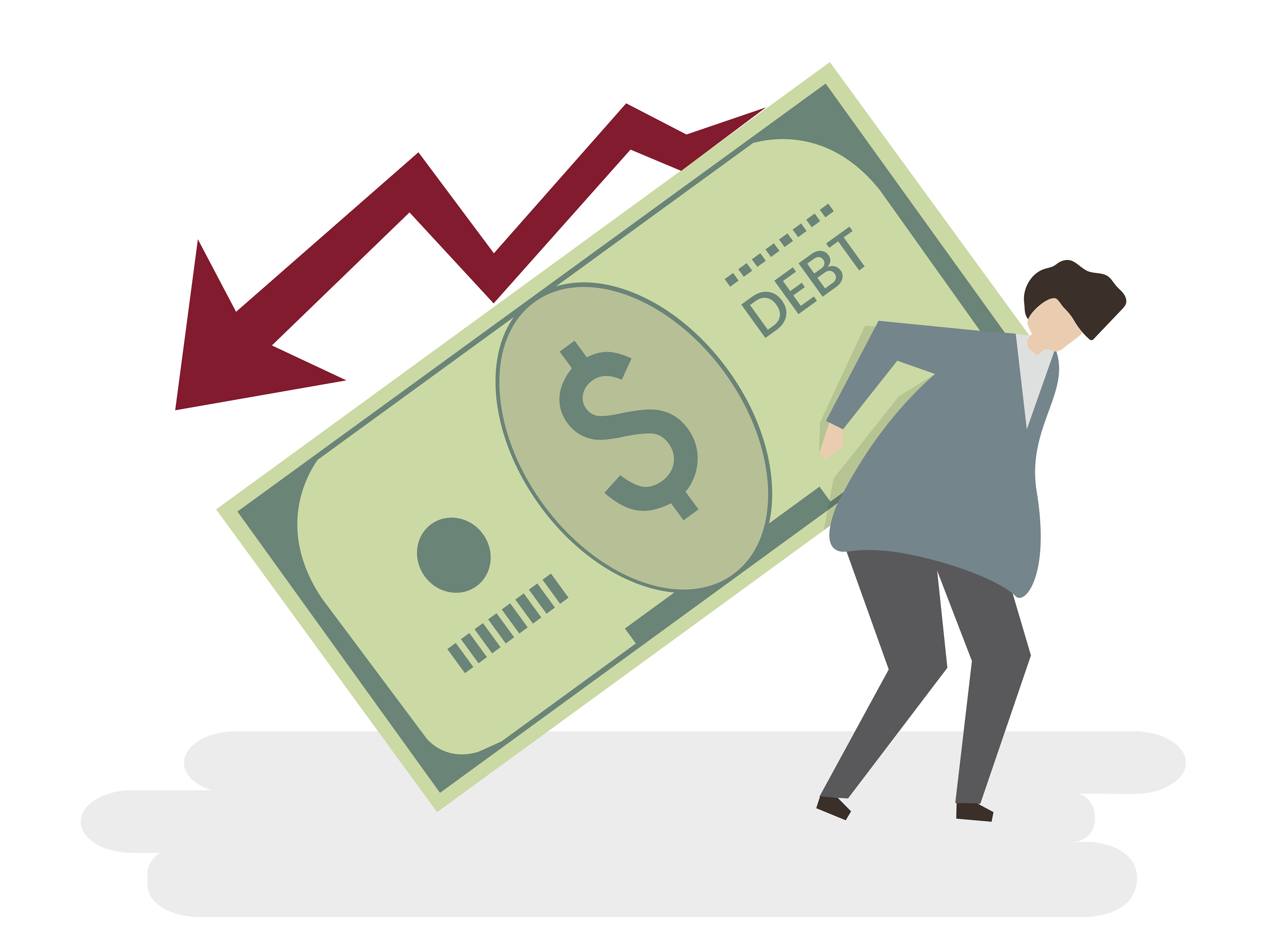
Most business owners do not think about debt exit plans when things are going well. Revenue is coming in. Payments are being made. Growth feels steady. Debt looks manageable. This is usually the most dangerous phase.
Debt rarely becomes a problem overnight. It becomes a problem slowly, during good times, when businesses assume tomorrow will look like today. History shows that companies that plan their exit early survive downturns better than those who react late.
Debt feels harmless when cash is flowing
When cash flow is strong, debt feels useful. It helps fund growth. It fills short gaps. It supports expansion plans. The issue is not debt itself. The issue is dependency.
Many businesses stack multiple loans with different repayment cycles. MCA payments, term loans, credit lines, and vendor credit start overlapping. Each one looks manageable on its own. Together, they reduce flexibility. According to data referenced by the Federal Reserve’s Small Business Credit Survey, many small and mid sized businesses carry debt obligations that consume a large share of monthly cash flow even before a slowdown begins. When revenue dips, there is no room to breathe.
Why reacting late makes recovery harder
Most owners seek help only after missing payments. By then, choices are limited. Lenders tighten terms. Penalties increase. Cash pressure rises. Stress replaces planning.
A debt exit plan created during stable periods gives businesses leverage. They can renegotiate from strength. They can restructure timelines without panic. They can protect core operations instead of cutting blindly. This difference is critical. Businesses that plan early control the conversation. Businesses that wait are forced to react.
Big brands learned this the hard way
General Motors did not collapse because it lacked demand. It collapsed because debt obligations became unsustainable during a downturn. During its restructuring, GM focused on reducing debt, extending timelines, and preserving cash. The exit plan allowed the company to survive and rebuild.
Ford Motor Company offers a different lesson. Before the 2008 financial crisis, Ford raised capital and restructured debt proactively. It prepared before the storm hit. As a result, Ford avoided bankruptcy while others struggled. These examples show that debt planning is not a sign of weakness. It is a sign of leadership.
Growth without an exit strategy is risky
Fast growing businesses are often the most exposed. Expansion increases costs before revenue stabilizes. New hires, inventory, marketing, and technology require upfront spending. Debt fills the gap. Without a clear exit plan, temporary borrowing becomes permanent. Payments eat into future growth. Cash flow becomes fragile. Research shared by JPMorgan Chase on business cash flow patterns shows that many growing companies experience higher volatility than stable ones. Debt amplifies that volatility. A plan reduces it.
What a debt exit plan actually means
A debt exit plan is not about shutting down. It is about clarity. It answers simple questions.
How much debt can the business realistically service if revenue drops by twenty percent. Which obligations are flexible and which are not. What assets can be protected. When should renegotiation begin rather than waiting for defaults. This planning creates options. Options create control. Control protects the business.
Emotional cost of debt avoidance
Many owners avoid planning because debt feels personal. It feels like failure. This mindset delays action. Studies referenced by Harvard Business Review show that financial stress reduces decision quality. Owners under pressure make short term choices that hurt long term stability. Planning early reduces emotional strain and improves outcomes.
Debt exit planning is not pessimism. It is realism.
Why strong businesses plan their exit early
Businesses that survive crises share one habit. They plan before problems show up. They understand that cycles change. Markets shift. Cash flow tightens. They treat debt like any other risk. They prepare for worst case scenarios while hoping for the best. This mindset keeps them operational when others freeze. At First Choice Debt Solutions, we see this pattern repeatedly. The businesses that come to us early have more options. They preserve reputation. They protect employees. They maintain control.
Planning is not about fear, it is about freedom
A debt exit plan gives owners freedom. Freedom to say no to bad deals. Freedom to slow down growth when needed. Freedom to protect cash without panic. The best time to plan is when things are still working. That is when choices are widest. Debt does not kill businesses. Delay does. A clear exit plan turns debt from a threat into a managed tool.