




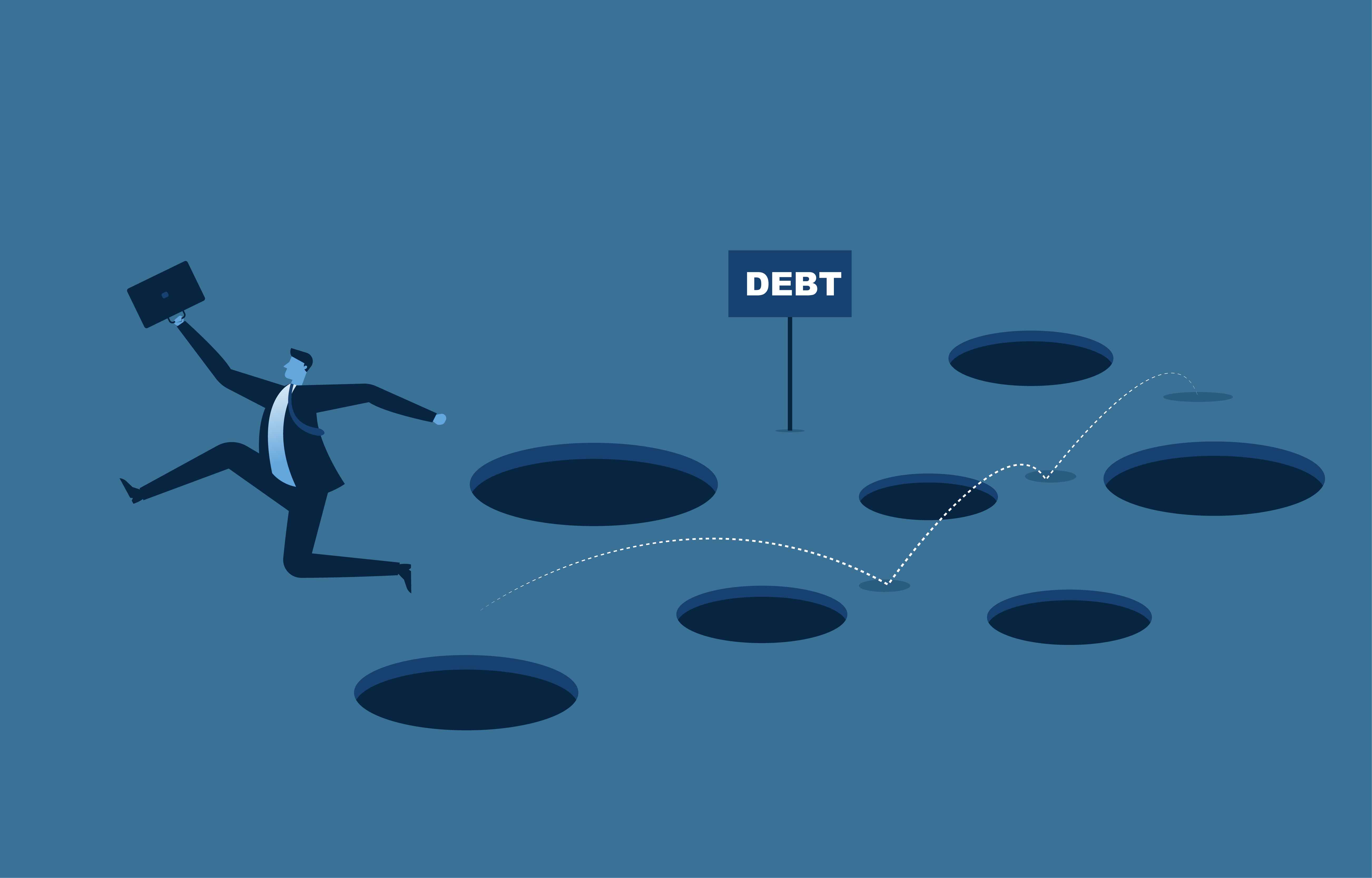
In today’s market, getting business funding is easier than ever. A few years ago, owners had to wait weeks for approvals. Today, offers come in through emails, calls, and online platforms almost every day. The process is quick, the requirements are lighter, and the money arrives fast. For many businesses, this feels like progress. It feels like control.
But there is another side to this shift. While access to credit has become easier, getting out of that credit has become harder. This is the new debt trap. It does not begin with struggle. It begins with convenience. At FCDS, we see this pattern across US businesses. Owners do not start with bad intentions. They start with a simple goal, to solve a short-term problem. But the structure of modern credit often turns that short-term solution into a long-term burden.
How Easy Access Changes Decisions
When money is difficult to get, businesses think carefully before borrowing. They plan, they compare options, and they consider long-term impact. But when money is easy to access, this behavior changes. Quick approvals reduce hesitation. Simple processes remove friction. Funding starts to feel like a tool for daily decisions, not just major ones. A slow month, a delayed payment, or a new opportunity can trigger a borrowing decision. This is how many businesses enter the cycle. The first loan solves a real issue. It creates relief. The business continues to operate, and nothing feels wrong at that point.
The Hidden Structure Behind Convenience
The problem is not access itself. The problem is the structure behind that access. Most fast funding options come with higher costs and tighter repayment schedules. MCA loans, short-term advances, and private credit products often require daily or weekly repayments. This means the business starts paying back almost immediately. There is no long grace period. There is no time to stabilize before repayments begin.
At the same time, the cost of these loans is higher than traditional financing. The business is not just returning the amount borrowed. It is paying a premium for speed and convenience. This combination creates pressure. Even if the business is generating revenue, a large part of that revenue is already committed.
Why Exiting Becomes Difficult
The real trap is not taking the loan. The trap is getting out of it. Once repayments begin, they reduce available cash. This makes it harder for the business to operate freely. If there is any disruption, a slow week, a delayed client payment, or an unexpected expense, the business feels immediate pressure. To manage this, many owners take another loan. This second loan is not for growth. It is to support the first one.
This is where the exit becomes difficult. Each new loan adds another layer of obligation. Repayments start overlapping. Cash flow becomes tighter. The business loses flexibility. At this stage, stopping is not easy. The business cannot simply pause repayments. It cannot quickly switch back to traditional financing. It is locked into a system that demands constant outflow.
What Large Companies Reflect
This pattern of easy entry and difficult exit has also been seen in large companies. In several cases, businesses had strong access to capital and expanded quickly because funding was readily available. Growth looked impressive on the surface, and operations scaled rapidly across markets. But the underlying structure was not stable. Costs were high, and commitments were long-term. When market conditions changed, these companies struggled to manage their financial obligations. The challenge was not a lack of access to money, but the difficulty of sustaining the structure built on that money.
In other cases, companies in fast-growing sectors raised large amounts of capital in a short time. They invested heavily in expansion, hiring, and marketing. But revenue growth did not match expectations. Over time, financial pressure increased, and managing commitments became difficult. Some of these companies had to restructure to regain control. These situations show a clear insight. Easy access to capital can create fast growth, but without a stable structure, it can also create long-term risk.
Why Businesses Stay in the Trap
One reason businesses remain in this cycle is short-term thinking. Each loan solves an immediate problem. It provides relief and buys time. This makes it easier to justify the next loan. There is also a belief that future growth will fix everything. Owners expect higher revenue to cover repayments. They delay action because things are still moving. Another factor is constant access. As long as the business shows activity, lenders continue offering funding. This makes it easy to take another loan without stepping back and reviewing the full situation. Over time, the total burden becomes too large. By then, the business has very limited options.
What Real Financial Control Looks Like
Real financial control is not about how easily you can access money. It is about how much control you have over your cash flow. A stable business has clear visibility of its obligations. It knows how much is coming in and how much is going out. It does not rely on new debt to manage existing debt.
It has enough flexibility to handle slow periods. It can make decisions based on strategy, not pressure. To reach this point, the focus needs to shift from borrowing to restructuring. It requires stepping back, understanding the full picture, and reducing the overall burden.
Final Thought
The new debt trap is not obvious at the beginning. It starts with ease and convenience. It feels like progress. But over time, it can turn into a system that is difficult to exit.
Easy access to credit is not a problem on its own. The real issue is what comes after. If the structure is too tight and the cost is too high, the business may lose control without realizing it. At FCDS, we help businesses see this clearly. Because once you understand the structure behind your debt, you can start making decisions that move you toward stability, not deeper into the trap.