




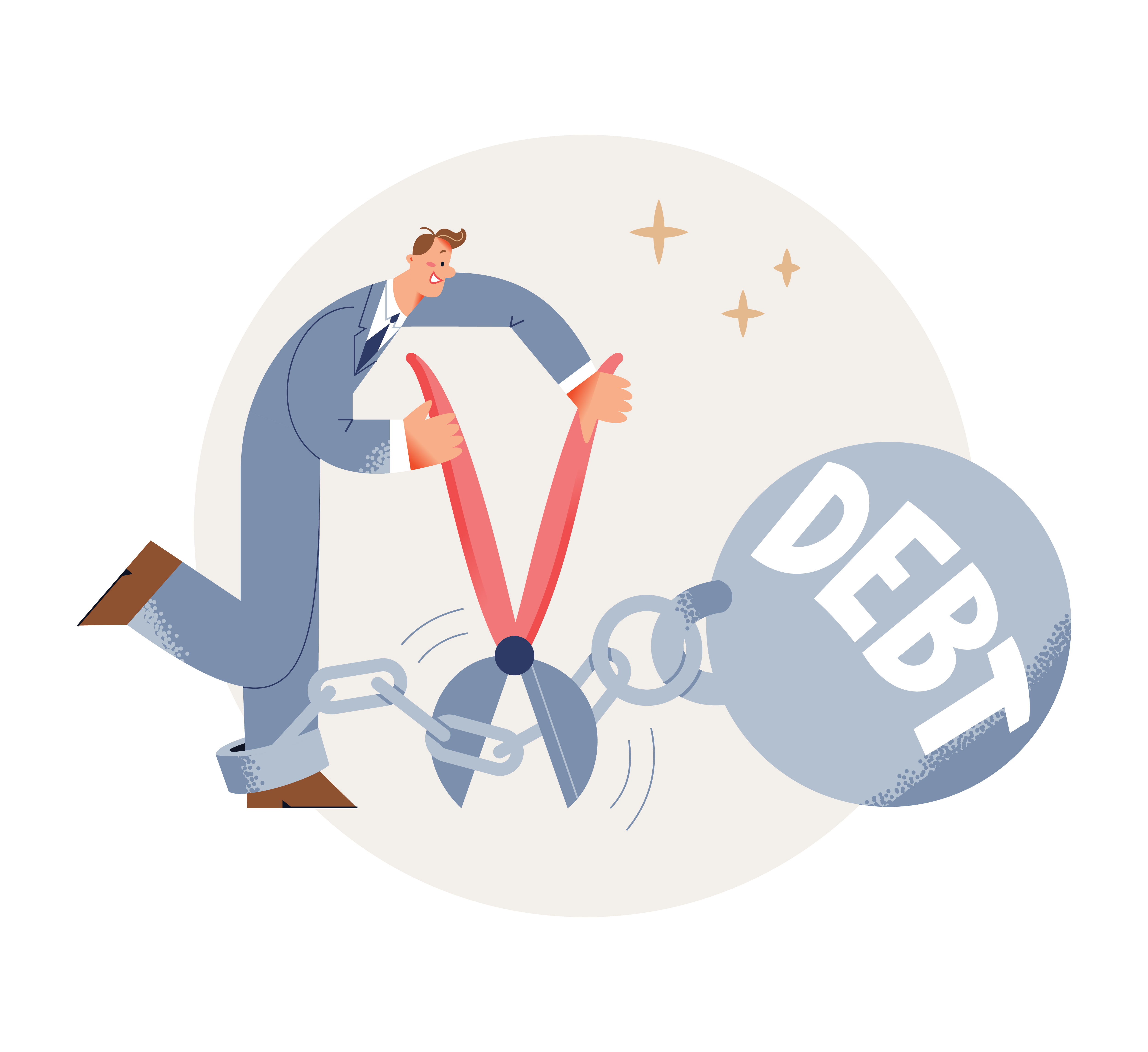
Many business owners experience the same situation every month. Sales may look healthy. Customers are coming in. Orders are moving. Revenue reports seem positive. But when the month ends, there is barely any cash left in the account. For many small and medium businesses, this has become a constant cycle. The business keeps operating, but the financial pressure never disappears. Owners delay salaries, push vendor payments, depend on credit lines, or take new loans just to survive another month. This is the cash flow trap. And it affects far more businesses than most people realize.
Revenue Does Not Always Mean Financial Stability
One of the biggest misconceptions in business is believing that high revenue automatically means strong finances. In reality, a company can generate millions in sales and still struggle to maintain cash flow. Cash flow measures how much actual money is moving in and out of the business. If more cash leaves the business than comes in during a period, pressure starts building quickly. Many businesses today operate with very thin margins. Rising operational costs, loan repayments, payroll expenses, rent, inventory costs, and delayed customer payments slowly drain available cash. On paper, the business may still appear profitable. But operationally, the company feels financially exhausted. This became especially common after the pandemic. Many businesses recovered revenue levels but never fully recovered cash reserves. Inflation, higher borrowing costs, and slower customer payments created long-term pressure on working capital.
The Hidden Problem of Delayed Payments
One major reason businesses struggle with cash flow is delayed receivables. Many companies sell products or services today but receive payment 30, 60, or even 90 days later. Meanwhile, expenses continue immediately. Employees need salaries on time. Vendors expect payments. Rent and utilities cannot wait. Loan obligations continue every month regardless of sales performance. This creates a dangerous mismatch between incoming and outgoing cash. A construction contractor, for example, may complete large projects worth hundreds of thousands of dollars but still face daily financial stress because client payments are delayed for months. During that period, the company still needs to pay labor costs, suppliers, equipment expenses, and financing payments. This is why many growing businesses surprisingly experience cash shortages even while revenue increases.
Debt Quietly Makes the Situation Worse
Debt often starts as a temporary solution. Business owners take short-term financing to cover inventory, payroll, or operational gaps. In many cases, this works initially. The problem begins when debt becomes part of normal monthly survival. Many businesses today carry multiple forms of debt at the same time. Term loans, credit lines, merchant cash advances, equipment financing, and credit card balances create overlapping repayment obligations. As interest costs grow, more monthly cash gets consumed before the business can reinvest in growth. This is where many owners feel trapped. Revenue enters the business account, but most of it immediately disappears toward repayments and operating expenses. The business keeps running, but financial breathing room disappears.
Growth Can Actually Increase Cash Pressure
Many people assume growth automatically improves finances. But rapid growth can actually create bigger cash flow problems if it is not managed carefully. When businesses grow, expenses usually increase before profits arrive. Companies hire more staff, increase inventory, expand operations, spend more on marketing, and invest in infrastructure. If customer payments remain slow, cash pressure becomes even worse. This problem affected many startups during aggressive expansion periods. Some companies focused heavily on revenue growth while ignoring operational sustainability. They gained customers quickly but burned through cash faster than expected. Even successful companies have faced this challenge. WeWork became a major example of how rapid expansion without sustainable financial balance can create long-term instability. Despite strong growth and investor interest, operational costs and financial pressure eventually raised serious concerns about sustainability. This is why investors today pay close attention to cash flow quality, not just top-line growth.
The Emotional Impact on Business Owners
Cash flow pressure affects more than finances. It affects decision-making, confidence, and mental focus. Many business owners spend the final week of every month calculating which bills can be delayed, which vendors can wait, and how payroll will be managed. Instead of focusing on growth, strategy, or innovation, they spend most of their energy managing financial emergencies. Over time, this creates burnout. Owners may feel that despite working constantly, the business never truly moves forward financially. This situation is extremely common among small business owners across the U.S., especially in industries with seasonal demand, tight margins, or high financing dependence.
What Financially Strong Businesses Do Differently
Businesses that maintain healthy cash flow usually focus heavily on financial discipline. They track operating expenses closely, manage debt carefully, and maintain emergency reserves whenever possible. They also pay close attention to receivables. Faster collections improve liquidity immediately. Some businesses offer incentives for early payments or tighten invoice cycles to reduce delays. Another important factor is debt structure. Strong businesses avoid using expensive short-term financing for long-term operational needs. They align financing with realistic cash flow patterns instead of relying on constant borrowing. Many companies also underestimate the importance of cash flow forecasting. Businesses that regularly project future inflows and outflows often identify problems before they become critical.
Conclusion
The end-of-month cash flow trap is not always caused by poor sales. In many cases, it comes from a combination of delayed payments, rising expenses, debt pressure, and weak financial planning. A business can look successful from the outside while struggling internally every single month. That is why smart business management is no longer just about increasing revenue. It is about protecting liquidity, controlling debt, and creating financial stability that allows the business to grow without constant pressure. Because at the end of the day, revenue may keep a business visible, but cash flow is what keeps a business alive.